
See where AI judgment is strong, weak, and coachable

Learn turns AI-augmented engineering work into a surface managers can actually use. See how engineers frame context, prove outputs, stay inside trust boundaries, and leave a reviewable trail.

Context sufficiency, validation discipline, and ownership on one surface
Replayable evidence from traces, screenshots, and exact commands
Signals leaders can use for coaching, team planning, and rollout readiness
Manager visibility
Signals from real delivery work
Team signal · Q2Trending up
Context sufficiency82%
Validation discipline64%
Ownership & verification71%
Evidence from traces, screenshots, and exact commands

Trusted by engineering teams worldwide

Logo Air Force on CodeSubmit
Logo Netflix on CodeSubmit
Logo Apple on CodeSubmit
Logo Audi on CodeSubmit
Logo 3M on CodeSubmit
G24.9
Capterra4.9
SOURCEFORGE5

I like how the library challenges are structured around on-the-job skills. The experience for candidates is excellent. They work locally with the IDE and tools they are most comfortable with.


Kevin Sahin
Kevin Sahin
Co-Founder @ ScrapingBee
Kevin Sahin
Manager visibility

See where AI judgment is strong, weak, and coachable

Learn turns AI-augmented engineering work into a surface managers can actually use. See how engineers frame context, validate output, stay inside trust boundaries, and know when human review should take over.

Context sufficiency
Review what engineers supplied before the prompt, from repo rules and constraints to the acceptance criteria that shape the run.
Evidence contract
Separate teams that ship screenshots, traces, and exact commands from teams that still rely on polished summaries.
Bounded delegation
Coach the difference between using an assistant for one constrained task and handing away ownership when the work gets ambiguous.
AI Readiness
AI engineering readiness score
The AI Readiness Score gives managers a readable baseline for how engineers work with AI under real delivery conditions.
79
/ 100
Overall readiness
Benchmark model
Team score vs. role baseline
Dimensions are scored on a ten-point scale and compared against the benchmark marker in each row.
Manager-visible
Evidence stays coachable
Prompt traces, test proof, and approval records keep AI work reviewable after the session ends.
Capability dimensions
AI readiness by operating behavior
Benchmark marker shown on each row
Harness Engineering
Sets repo instructions, validator loops, and approval defaults before AI touches real delivery work.
8.8
Team scoreBenchmark marker
Validation Discipline
Demands tests, Playwright proof, and exact commands instead of shipping what only looked right.
8.4
Team scoreBenchmark marker
Trust Boundaries
Treats prompt injection, retrieval filters, and MCP output as engineering controls, not prompt wording.
8.0
Team scoreBenchmark marker
Runtime Observability
Captures traces, screenshots, and run metadata so drift and failure modes can be replayed.
7.7
Team scoreBenchmark marker
Context Hygiene
Keeps repo-local guidance, specs, and operating rules current instead of leaning on heroic prompts.
7.5
Team scoreBenchmark marker
Agent Orchestration
Routes work to narrow specialists with stop conditions, validator contracts, and human gates.
7.2
Team scoreBenchmark marker
Readiness by team
Product engineering82
Frontend76
Platform71
Data63
Legacy systems48
Governance snapshot
Audit trail coverage100%
Prompt review ready94%
Avg AI contribution18%
Policy exceptions0
Recommended action
Validation discipline is already strong. The next coaching move is to tighten trust-boundary handling, role-specific orchestration habits, and when teams stop for human review.
Look for engineers who set the harness up properly, challenge plausible output, and keep ownership of validation, boundaries, and escalation when the assistant gets involved.
From foundations to senior AI judgment

Build role pathways around the work your team actually ships

Define what good AI-augmented engineering looks like at each level, then give engineers a path grounded in real work instead of generic AI literacy content.

Learning pathways
Progress engineers with visible evidence
Pathways stay grounded when assignments, bytes, and follow-up reviews sit next to completion data and capability lift.
342
Active enrolments
128
Completed
37%
Avg completion
+1.4
Capability lift
Frontend fluency
Target: Engineer
82%
Done · StateDone · TestingDone · UI polishNext · AI review
Next review
State review + accessibility follow-up
AI delivery harness
Target: Senior
74%
Done · InstructionsDone · ValidationNext · BoundariesNext · Observability
Next review
Prompt injection and trace review
Production readiness
Target: Engineer
66%
Done · LoggingDone · AlertingNext · RunbooksNext · Recovery
Next review
Incident-response byte
Architecture judgment
Target: Architect
48%
Done · Trade-offsNext · NFRsNext · Team upliftNext · AI policy
Next review
ADR review panel
Practice artifacts
Concrete examples inside each path
Take-home example
Real repo assignment
Frontend
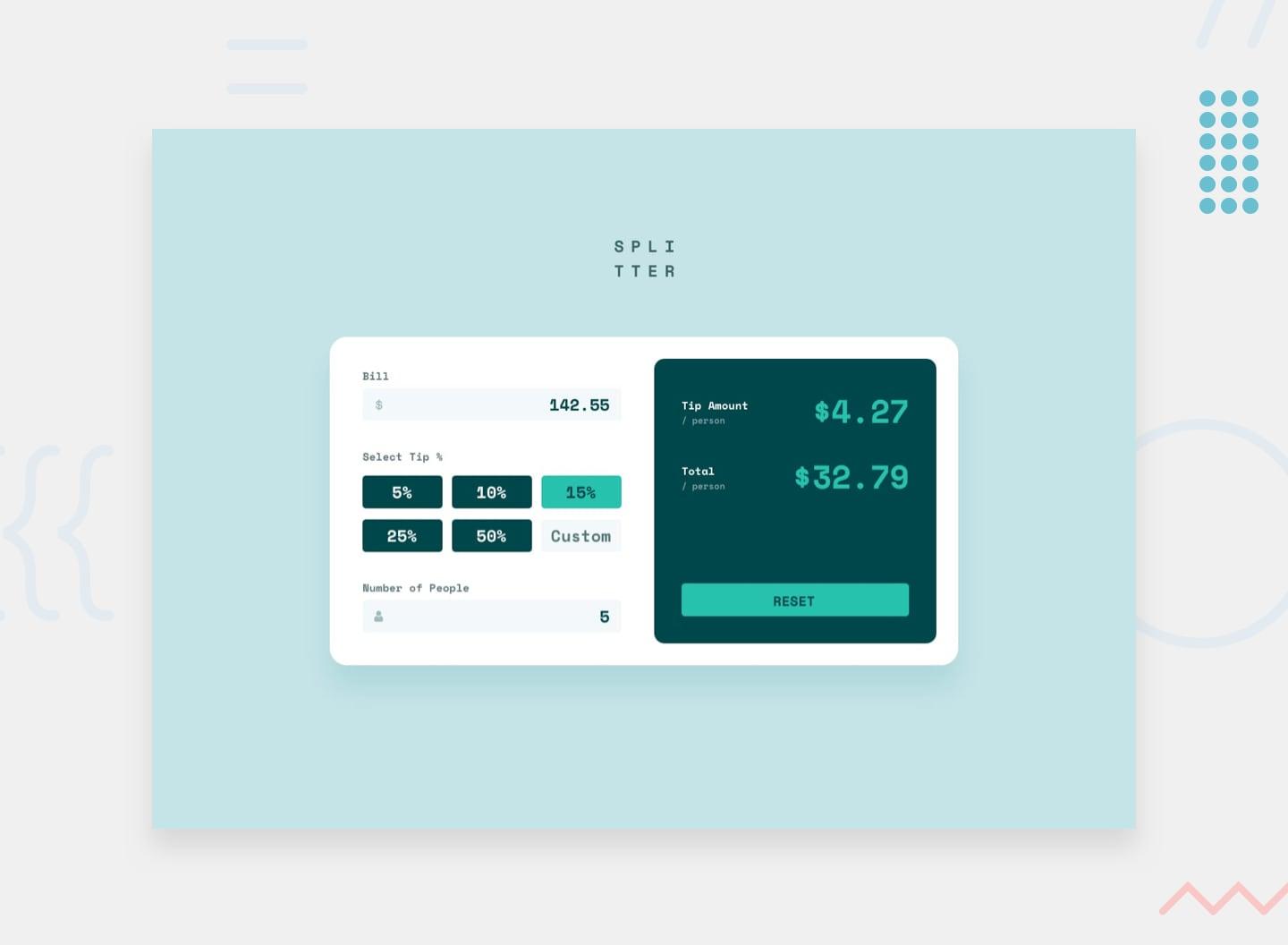
Tip Calculator assignment preview
Frontend Engineer
Tip Calculator
JavaScript
React
A candidate sees a short brief, a realistic UI target, and a repo they can clone, run, and submit as a reviewable change.
UI polishState handlingReviewable diff
TypeScript
TypeScript byte
Pirate Name
Short string challenge with readable tests and reviewer-visible proof.
Test result
9/10
tests passed
Visible proof9 of 10 checks passing
TDDEdge casesReadable tests
Skills heatmap
Code quality82
Testing77
Architecture63
Observability59
AI governance46
Capability lift
+1.4
average score increase across completed paths
18%
higher retention for engineers on active paths
Assignment-driven pathways work best when each module ends with a visible artifact, not a checkbox. That makes the next coaching move obvious to both the engineer and the manager.
Coaching outputs

Turn signals into reports, heatmaps, and clear next steps

Scores help you spot patterns. Narrative feedback tells managers what to do next, where to coach, and how to support growth across the team.

Harness maturity
See whether teams can set validators, approval defaults, and stop conditions before a delivery sprint starts.
Boundary discipline
Track prompt injection handling, retrieval filtering, and MCP trust decisions without hiding risk in the prompt.
Evidence quality
Measure whether claims are backed by screenshots, traces, diffs, and exact commands a reviewer can replay.
Narrative feedback
Feedback that builds capability
Team signal
8.1

Strong context engineering and consistent validation loops. The next coaching move is to push harder on delegation boundaries, MCP trust review, and what counts as enough evidence before a manager or reviewer signs off.

Team heatmap
Context sufficiency84
Validation discipline79
Evidence-based review76
Tool integration judgment73
Data boundary awareness71
Promotion reviews
Role-ready evidence
Manager 1:1s
Clear coaching hooks
Team planning
Heatmaps by capability
Deploy under your brand

Run Learn inside your domain, identity stack, and workflow

Internal development programs fail when the platform feels bolted on. Learn can run under your domain, brand, and sign-in flow so managers and engineers see one coherent system, not another vendor portal.

Custom domain and branded UI
Run Learn at your own domain with your logo, color system, and interface treatment so the experience looks internal from the first click.
SSO and access controls
Plug Learn into your identity stack so managers and engineers sign in through the systems they already use.
Same workflows, your operating model
Keep the same readiness, coaching, and pathway workflows while presenting them inside your brand and rollout process.
Brand settings
Primary color
Domain
learn.codesubmit.io
Identity
OktaSSO pending
CodeSubmit Learn
learn.codesubmit.io
Internal rollout
Manager visibility
Audit-ready coaching surface
Brand fit
100%
Custom domain
Keep invites, dashboards, and coaching reports inside your own domain structure.
Access control
Route sign-in through your identity layer instead of introducing one more vendor login.
One system for AI readiness, growth, and rollout

Baseline, coach, upskill, and deploy under your brand

Learn gives engineering leaders one place to understand team capability, govern real AI usage, coach with evidence, and deliver the whole system in a branded internal experience.